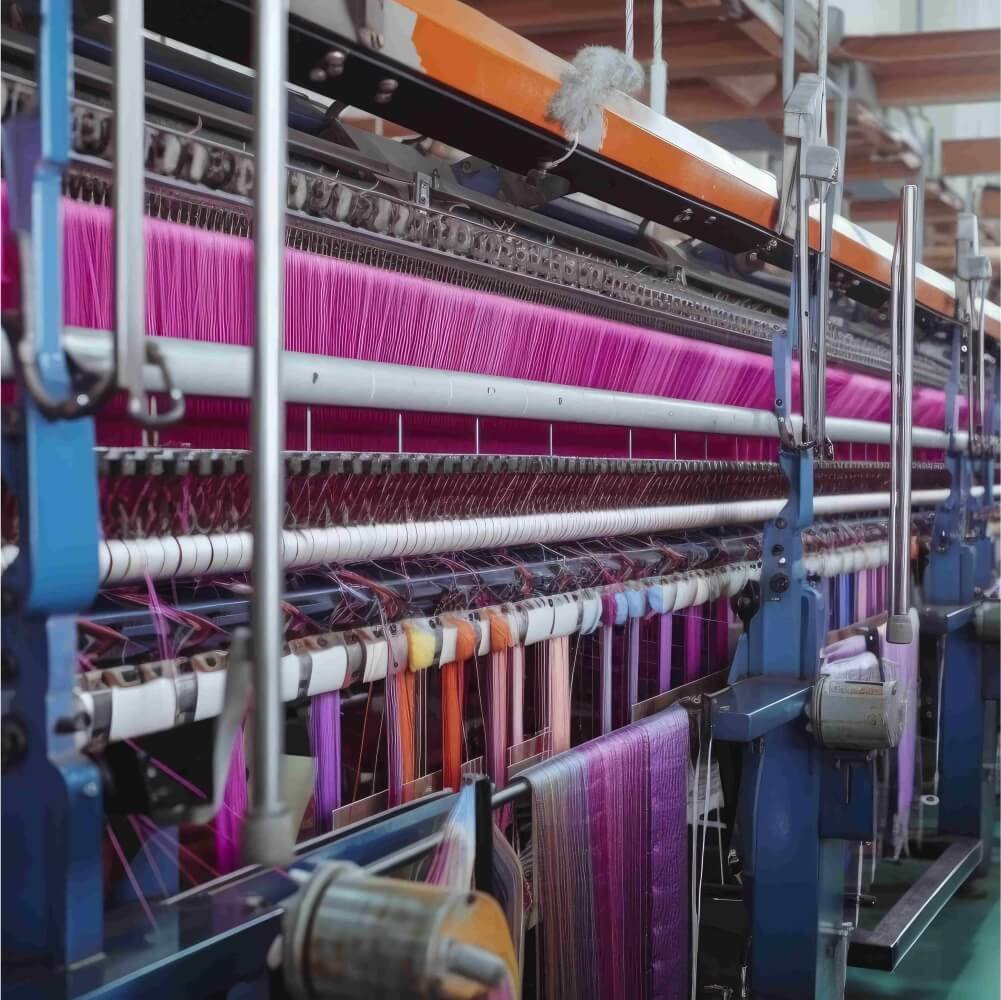
Textile Machinery
The Textile Machinery Trade
The global textile machinery trade is a cornerstone of the world’s apparel and fabric industries. It encompasses a vast array of equipment, from spinning and weaving machines to dyeing, finishing, and printing systems. This trade is shaped by key trends like the demand for automation, sustainability, and the rise of “smart” factories (Industry 4.0), especially in major textile manufacturing hubs in Asia-Pacific.
Importing Textile Machinery: Key Considerations
For textile companies looking to upgrade their facilities with imported machinery, a strategic approach is essential. Importing requires careful attention to technical, logistical, and financial details to avoid costly delays and operational issues.
1. Technical and Financial Due Diligence
Before a purchase is made, a company must:
- Confirm Technical Specifications: Verify that the machine’s production capacity, processing speed, and compatibility with specific raw materials (e.g., cotton, synthetic fibers) align with your business needs. It is crucial to check the machine’s electrical requirements (voltage, frequency) to ensure it is compatible with your factory’s power supply.
- Evaluate Total Cost of Ownership: The final price includes not just the machine itself but also shipping, customs duties, installation, and potential training costs. Budgeting for after-sales support and a spare parts inventory is also critical for long-term operation.
2. Regulatory Compliance and Documentation
Proper documentation is non-negotiable for smooth customs clearance. Key documents typically include:
- Commercial Invoice & Packing List: Detailed lists of goods and their value, along with packaging information.
- Bill of Lading or Airway Bill: The contract of carriage.
- Certifications: Some countries, particularly in Europe, require a CE mark to prove the machinery meets safety and environmental standards.
- Import/Export Codes: In many countries, such as India, an Importer Exporter Code (IEC) is mandatory for all trade transactions.
Exporting Textile Equipment and Machinery
Exporters of textile machinery need to do more than just sell a product; they must provide a complete solution to a foreign customer.
1. Market and Regulatory Expertise
- Target Market Research: Understand the specific demands of the target market. For example, a country with lower labor costs might prefer semi-automatic machines, while a highly automated market will demand Industry 4.0-ready equipment with advanced sensors and data analytics capabilities.
- Compliance with Local Standards: Machinery must be adapted to meet the destination country’s safety, environmental, and electrical standards. This may involve obtaining specific certifications or modifying the equipment.
2. After-Sales Support
The success of an export deal often hinges on reliable after-sales support. This includes:
- Installation and Training: Providing on-site assistance for machine installation and training local technicians to operate and maintain the equipment.
- Maintenance and Spares: Ensuring a clear and efficient process for providing maintenance services and supplying spare parts to prevent long periods of costly downtime for the customer.
Conclusion
The international trade of textile machinery is a high-stakes business driven by technological innovation and global market dynamics. Success for both importers and exporters depends on rigorous technical and financial planning, unwavering adherence to regulatory compliance, and a strong commitment to after-sales support. Navigating these complexities correctly allows companies to thrive in a competitive global landscape and helps modernize textile industries worldwide.
FAQs
- What is the key driver of the global textile machinery market?
- The market is primarily driven by the need for automation, the adoption of Industry 4.0 technologies, and the increasing demand for sustainable and energy-efficient machinery to meet environmental regulations.
- Why is the electrical compatibility of machinery so important?
- Using a machine with a different voltage or frequency than your factory’s power supply can cause serious damage to the equipment, pose a safety risk, and void the warranty.
- What role does a Bill of Lading play in the trade of textile machinery?
- The Bill of Lading (or Airway Bill for air freight) is a critical legal document that serves as a receipt for the shipment, a contract of carriage, and a document of title to the goods.
- How do I ensure a machine from a foreign supplier is of high quality?
- Before purchasing, request references from other customers, conduct a factory audit if possible, and ensure the machine has the necessary quality certifications (e.g., ISO, CE). A formal pre-shipment inspection is also a good practice.
- What is the difference between importing new vs. used textile machinery?
- New machinery offers the latest technology, a full warranty, and often better energy efficiency. Used machinery is less expensive but may require more maintenance, and finding spare parts can be a challenge. It’s crucial to thoroughly inspect used equipment before purchase.



Reviews
There are no reviews yet.