
Packaging Machinery
The Packaging Machinery Trade
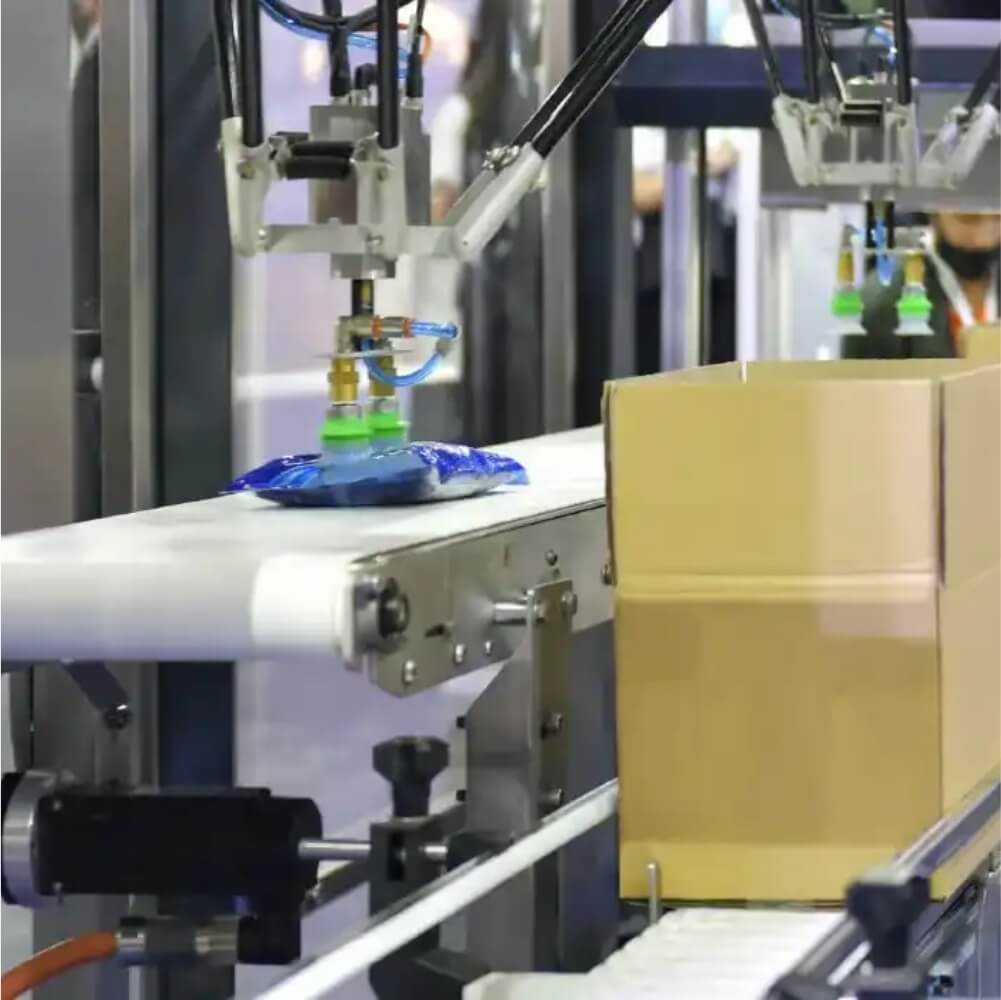
The global trade in packaging machinery is a vital part of the manufacturing and supply chain, enabling industries from food and beverage to pharmaceuticals to get their products ready for market. This sector includes a vast range of equipment, from simple filling machines to complex robotic systems that handle every stage of packaging, including filling, sealing, labeling, and palletizing. The demand for these machines is driven by automation needs, efficiency, sustainability goals, and changing consumer demands for different types of packaging.
Importing Packaging Machinery: Key Considerations
Importing packaging machinery involves much more than just logistics. Companies must navigate technical, financial, and regulatory challenges to ensure a smooth transaction.
1. Technical Compatibility and Specifications
Before purchasing, you must confirm the machinery’s technical specifications meet your needs. This includes:
- Production Speed: Does the machine’s output align with your production goals?
- Product Compatibility: Can it handle the specific products you need to package (e.g., powders, liquids, fragile items)?
- Packaging Materials: Is it compatible with your chosen packaging materials, such as plastic films, glass bottles, or cardboard boxes?
- Voltage and Power: A critical step is to verify the machine’s electrical requirements (e.g., 220V/50Hz vs. 480V/60Hz) match your facility’s power supply.
2. Financial and Logistical Planning
The cost of importing machinery goes beyond the purchase price. You must account for:
- Shipping and Freight: Packaging machines are often large and heavy, requiring specialized freight services.
- Customs Duties and Taxes: Research the tariffs and taxes that apply to machinery imports in your country.
- Installation and Training: Does the seller provide on-site installation and training? If not, you’ll need to budget for a local team of engineers.
3. Documentation and Compliance
Correct documentation is essential for customs clearance. You’ll need:
- Commercial Invoice: A detailed description and value of the goods.
- Packing List: A list of the contents of each package.
- Bill of Lading: The contract between the shipper and the carrier.
- Certifications: Some countries may require safety certifications, such as a CE mark in Europe, to prove the equipment meets safety and environmental standards.
Exporting Packaging Equipment and Machinery
When exporting packaging machinery, companies must prepare their products to meet the standards and market demands of the destination country.
1. Market Research and Adaptation
Exporters should conduct thorough market research to understand the specific needs of the target market. A machine that is popular in one country may not be in another due to:
- Different Labor Costs: Countries with lower labor costs might prefer less automated machines.
- Varying Consumer Preferences: A market that prefers glass bottles will require different machinery than one that prefers plastic pouches.
- Regulatory Standards: The destination country may have unique safety, sanitation, or environmental regulations the machinery must comply with.
2. After-Sales Support and Service
For a successful export business, after-sales support is crucial. Buyers need to know they can get help with maintenance, repairs, and spare parts. Exporters can achieve this by:
- Establishing a Local Partnership: Working with a local distributor who can provide technical support.
- Training Local Technicians: Ensuring there are trained professionals in the destination country who can service the equipment.
- Maintaining a Spare Parts Inventory: Having a supply of common replacement parts readily available to avoid long downtimes for the customer.
Conclusion
The international trade of packaging machinery is driven by a need for efficiency and automation. For both importers and exporters, success depends on a clear understanding of technical specifications, logistical complexities, and strict regulatory compliance. Focusing on these key areas ensures that high-quality equipment can be bought and sold globally, helping industries worldwide meet their production goals.
FAQs
- What is the most important factor to consider when buying packaging machinery?
- The most critical factor is ensuring technical compatibility with your specific needs. This includes checking the machine’s production speed, compatibility with your product and packaging materials, and confirming that its electrical requirements (voltage, frequency) match your facility’s power supply.
- How do I calculate the ROI (Return on Investment) for a new packaging machine?
- The ROI is calculated by considering the initial cost of the machine against the long-term savings it provides. These savings can come from increased production efficiency, reduced labor costs, less material waste, and improved product quality. Many suppliers can provide an ROI calculation based on your specific production data.
- Why is after-sales support essential for packaging machinery?
- Packaging machines are complex systems that can experience technical glitches or wear and tear. Reliable after-sales support, including on-site technicians, remote troubleshooting, and a readily available supply of spare parts, is crucial to minimize costly downtime and keep your production line running smoothly.
- What certifications or standards should I look for in packaging machinery?
- Look for internationally recognized certifications like the CE mark for the European market. These certifications ensure the machine complies with crucial safety, health, and environmental standards, which is often a mandatory requirement for import and operation.
- What are the key questions a packaging machinery manufacturer will ask me?
- Manufacturers need to understand your needs to provide an accurate quote. Expect questions about your product specifications (type, size, viscosity), your packaging requirements (bag style, fill weight, material), and your production goals (required output speed).
Category: Machines & Devices



Reviews
There are no reviews yet.