Medical Devices
The Medical Devices Trade
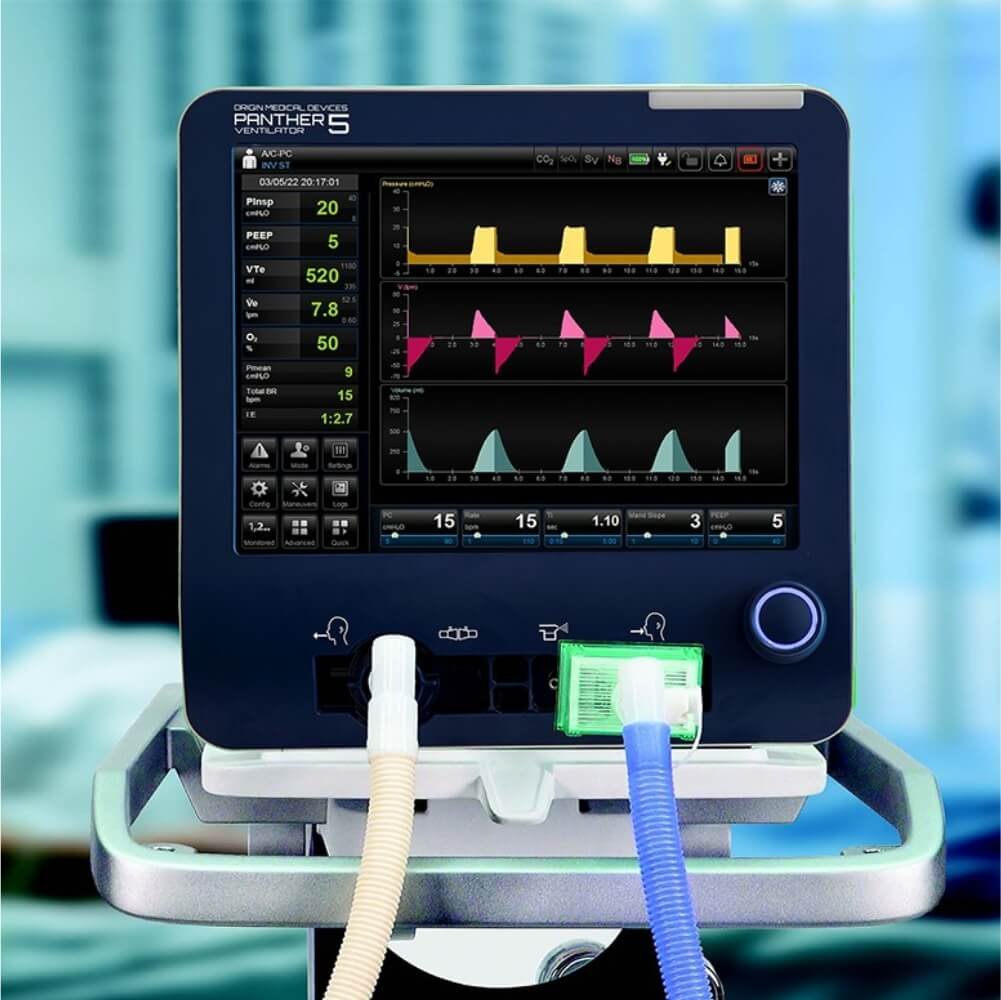
The global trade in medical devices is a complex and highly regulated industry that plays a critical role in healthcare worldwide. It involves a wide range of products, from simple bandages and surgical gloves to sophisticated imaging systems and robotic surgical equipment. The market is driven by several factors, including an aging global population, the increasing prevalence of chronic diseases, and technological advancements.
Importing Medical Devices: Key Considerations
Importing medical devices requires careful adherence to regulatory standards to ensure patient safety and product efficacy. Each country has its own set of rules, and a device that is approved in one nation may not be in another.
Regulatory Compliance
The most significant hurdle is regulatory compliance. For instance, in the United States, the Food and Drug Administration (FDA) has a strict approval process. Devices are classified based on risk:
- Class I (Low Risk): Things like elastic bandages and tongue depressors. They’re often exempt from premarket submission.
- Class II (Moderate Risk): Examples include powered wheelchairs and infusion pumps. These typically require Premarket Notification (510(k)).
- Class III (High Risk): Life-sustaining or implantable devices, such as pacemakers and heart valves. They require Premarket Approval (PMA), a rigorous and expensive process.
Similarly, the European Union has the Medical Device Regulation (MDR), which has a unified system of conformity assessment and requires a CE mark for a device to be sold within the EU. Importing companies must ensure the manufacturer has met all these requirements.
Logistics and Documentation
Proper documentation is crucial for smooth customs clearance. This includes:
- Commercial Invoice: A detailed list of the goods.
- Packing List: Describes the contents and weight of each package.
- Bill of Lading or Airway Bill: The contract of carriage.
- Certificates: These can include a Certificate of Origin to determine tariffs, and a Certificate of Free Sale to prove the device is legally sold in its country of origin.
Specialized logistics companies with expertise in handling medical equipment are often used. They can manage the transport, which may require specific conditions like temperature control for certain devices or sterilization requirements for others.
Exporting Medical Equipment and Machinery
Exporting medical devices involves preparing the product to meet the destination country’s regulations and market demands.
Market Research and Strategy
Before exporting, it’s vital to conduct thorough market research. This involves understanding the healthcare system, competition, and regulatory environment of the target country. A device that is a staple in one country might not be in another due to different medical practices or economic conditions.
Regulatory Approval for Export
Exporters must ensure their devices have the necessary approvals for the destination market. This often means working with a local distributor or a regulatory consultant who understands the specific requirements. For example, a company exporting a device to Japan would need to comply with the Pharmaceutical and Medical Devices Agency (PMDA) regulations.
Labelling and Language
Labeling and instructions for use must be in the language of the destination country and comply with its specific labeling requirements. This includes information on the manufacturer, device name, and any safety warnings. Failure to meet these standards can lead to customs delays or rejection.
Conclusion
The international trade of medical devices is a highly regulated and technical field. For both importers and exporters, success hinges on a deep understanding of regulatory compliance, meticulous documentation, and strategic market planning. Navigating these complexities ensures that critical healthcare technology reaches patients in a safe and effective manner, driving innovation and improving global health outcomes.
FAQs
Q: What’s the difference between a 510(k) and a PMA? A: A 510(k) is a premarket submission to the FDA to demonstrate a device is substantially equivalent to a legally marketed predicate device. A PMA is the most stringent type of device marketing application, required for high-risk devices, and requires scientific evidence to prove safety and effectiveness.
Q: Why is documentation so important for medical device trade? A: Proper documentation ensures regulatory compliance, facilitates smooth customs clearance, and provides a clear record for traceability and safety recalls if needed. Without it, the device may be held up at customs or rejected entirely.
Q: What is a CE mark? A: A CE mark is a certification mark that indicates conformity with health, safety, and environmental protection standards for products sold within the European Economic Area (EEA). It is mandatory for most medical devices to be sold in the EU.


Reviews
There are no reviews yet.