
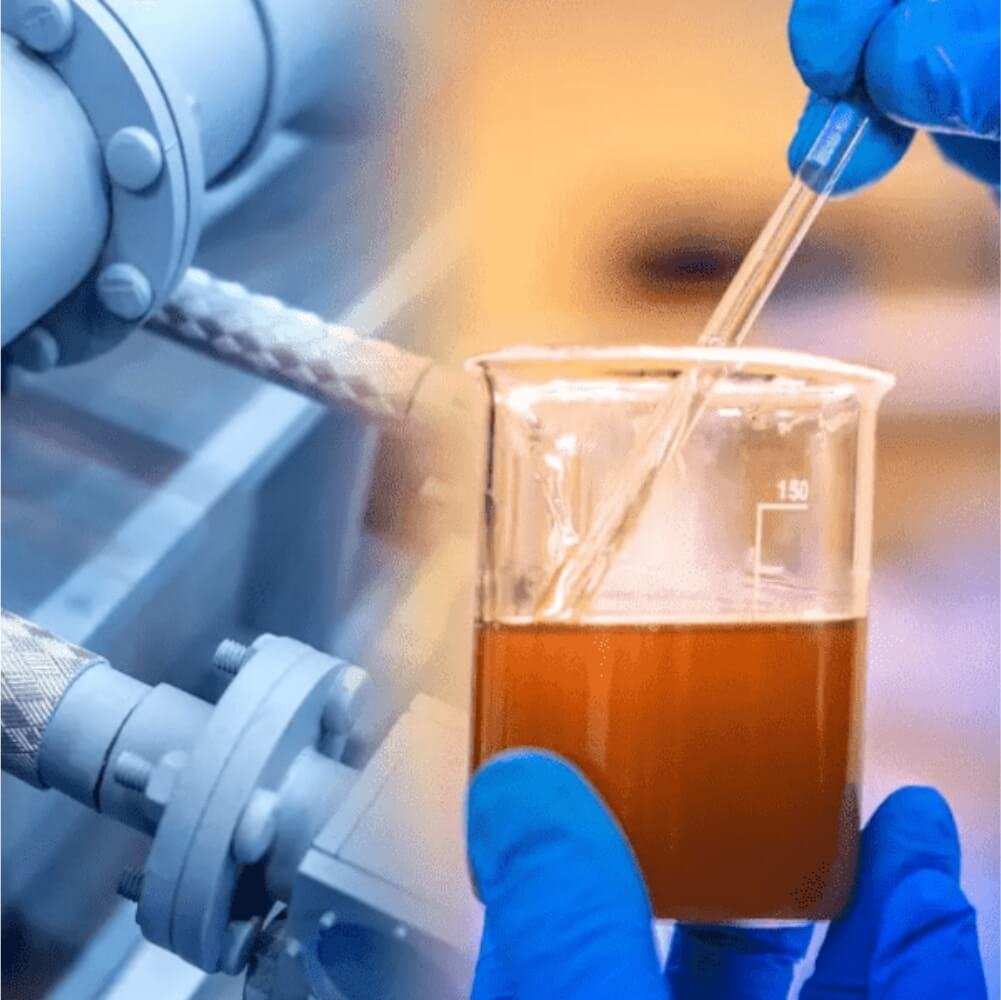
Industrial Chemicals
What are Industrial Chemicals?
Industrial chemicals are substances manufactured or used in large-scale industrial processes to produce a wide range of products. They serve as essential building blocks, ingredients, reactants, solvents, or catalysts in various manufacturing and processing applications. Unlike agricultural or pharmaceutical chemicals, industrial chemicals are defined by their use in an industrial context. They can be either naturally occurring or synthetically created and are often classified into inorganic chemicals (acids, bases, salts) and organic chemicals (carbon-based compounds like alcohols, hydrocarbons, and polymers).
Uses of Industrial Chemicals
Industrial chemicals are foundational to modern society and are used across a vast array of industries. Their applications include:
- Manufacturing: Used to produce everyday items like plastics, paints, adhesives, inks, and soaps.
- Agriculture: Essential for producing fertilizers, pesticides, and other agrochemicals that support crop growth and protection.
- Water Treatment: Chlorine and other chemicals are vital for purifying drinking water and treating wastewater to ensure public health and safety.
- Pharmaceuticals: Used as reagents and intermediates in the synthesis of drugs and medical products.
- Textiles: Employed in processes like dyeing, bleaching, and mercerization to enhance the quality and appearance of fabrics.
- Petroleum and Refineries: Key components in the distillation and processing of crude oil into fuels like gasoline and diesel.
- Automotive: Used in the production of car batteries (e.g., sulfuric acid), plastics, and rubber components.
Best Products of Industrial Chemicals.
The “best” industrial chemicals are often defined by their high production volume and widespread utility across multiple sectors. Some of the most important and highly produced industrial chemicals globally include:
- Sulfuric Acid (): A strong, corrosive acid that is the world’s most-produced chemical. Its primary use is in the production of phosphoric acid for fertilizers, but it’s also used in petroleum refining, metal processing, and manufacturing detergents and batteries.
- Ethylene (): A fundamental building block in the petrochemical industry, used to produce polyethylene, the most widely used plastic. It’s also a key component in antifreeze and other industrial chemicals.
- Sodium Hydroxide (): Also known as caustic soda, it’s a strong base used extensively in the production of paper, textiles, detergents, and for purifying bauxite ore to make aluminum.
- Chlorine (): A highly reactive gas used for water disinfection and as a bleaching agent. It’s also a crucial raw material for producing a wide variety of compounds, including PVC plastic and solvents.
- Nitrogen (): A major component of the atmosphere, industrially produced liquid nitrogen is used as a coolant and in the synthesis of ammonia, which is then used to make fertilizers.
Magma Nextrade is a company that specializes in global sourcing, import, and export services across multiple industries, including industrial chemicals. The company focuses on connecting businesses with international markets, providing a range of services from product sourcing and quality inspection to logistics management and trade compliance. Magma Nextrade exports industrial chemicals as part of its multi-industry portfolio, which also includes machinery, textiles, medical equipment, and food products. The company prides itself on its global network and commitment to delivering high-quality, compliant products to its clients.



Reviews
There are no reviews yet.